

Why Trail Running Matters
Trail running isn’t just about running faster or longer. It’s a different animal from road running entirely. You’re dealing with uneven terrain, elevation changes, and natural obstacles — all things that build strength in ways pavement can’t match. Hong Kong’s trails offer everything from beginner-friendly routes to serious alpine challenges.
The thing is, most people start trail running because they’re bored with the road. The scenery shifts constantly, your legs work harder, and you feel more connected to your surroundings. After just a few weeks on the trails, runners report feeling stronger, more stable, and genuinely excited to run again.
Finding Your First Trail
Hong Kong has over 50 maintained hiking trails, and roughly half are perfect for trail running. The key is starting with something manageable. We’re talking 3-5 kilometers, relatively gentle elevation, and well-marked paths. The last thing you want on your first outing is getting lost in the New Territories.
Popular starter routes include the Dragon’s Back trail (4.8km, moderate), Maclehose Trail Section 1 (8km, easy to moderate), and Victoria Peak Circle (3.5km, gentle). These trails won’t destroy your knees, the views are incredible, and you’ll finish feeling accomplished rather than completely destroyed.

Essential Gear You’ll Actually Need
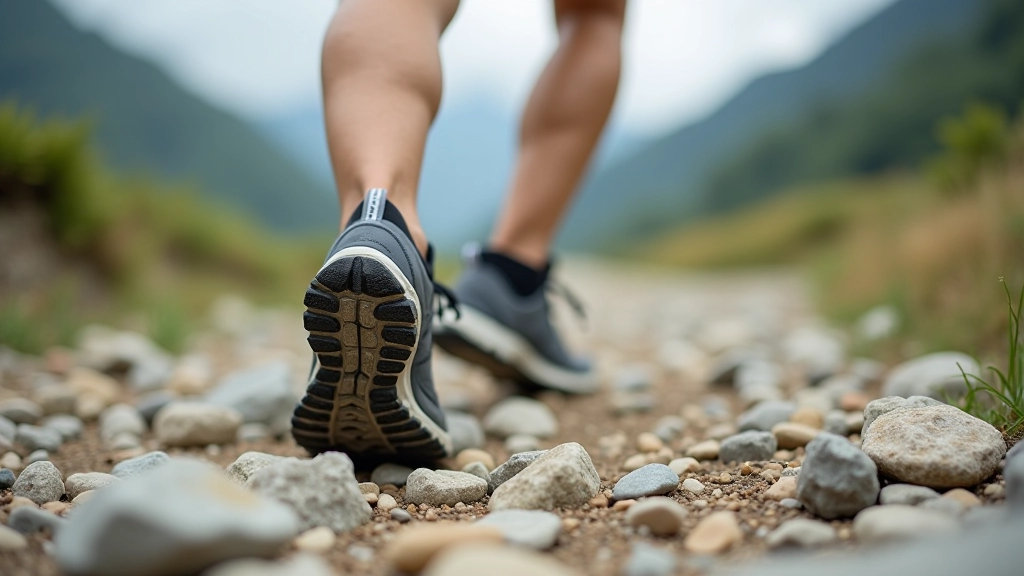
You don’t need much to start. Honestly, you’ll see people in basic road shoes conquering Hong Kong’s trails. But there’s a reason trail-specific gear exists. Real trail shoes have aggressive tread patterns, reinforced uppers, and ankle support that prevents twisted ankles on loose terrain.
Here’s what makes a difference:
- Trail shoes — Aggressive tread, protective toe, ~HK$600-1200
- Moisture-wicking shirt — Hong Kong gets humid; cotton absorbs sweat and gets heavy
- Small backpack — 5-10 liters for water, snacks, phone. You’ll want both hands free
- Hydration — 1-2 liters depending on route length. Most trails don’t have water stations
Skip the fancy smartwatch and GPS running watch for now. Focus on the basics first. Once you’re hooked on trail running, you can upgrade.
Building Your Base: The First 4 Weeks
Don’t try to run 10km on day one. Your legs aren’t adapted to the uneven surface, and your aerobic system isn’t conditioned for elevation. Trail running uses different muscles than road running — your stabilizer muscles, your core, your ankles. They need time to adapt.
A smart progression looks like this: Week 1-2, focus on effort rather than distance. Run for 20-25 minutes at a conversational pace, mixing running and walking. Week 3-4, extend to 30-35 minutes with longer running segments. By week 4, you’re doing solid 30-minute trail runs where you’re actually running most of the time.

Technique Tips That Actually Work
Trail running technique is different from road running. You can’t just lean forward and churn out miles. The terrain demands attention and adjustment.
Shorten your stride. Road runners naturally overstride, especially when running downhill. On trails, you’ll want a quicker cadence with shorter steps. This gives you better control on loose terrain and reduces impact on descents.
Look 3-5 steps ahead. Not at your feet. You need to anticipate roots, rocks, and terrain changes. Your peripheral vision handles the immediate ground; your eyes should be scanning what’s coming.
Embrace the walk on steep climbs. There’s zero shame in walking uphill. The strongest trail runners walk steep sections. You’ll conserve energy, maintain form, and get more enjoyment from the run.
Control downhill running. Don’t just let gravity do the work. Lean slightly forward, land mid-foot, and use your quads to control descent. Downhill running causes more soreness than uphill, so start easy.

Safety & Common Mistakes
Hong Kong trails are generally well-maintained and safe, but there are real hazards. Twisted ankles are the most common injury. They happen when you catch your foot on a root or step awkwardly on a rock. Prevention is simple: proper trail shoes with ankle support, starting on easier terrain, and running at a controlled pace you can manage.
Don’t run alone on unfamiliar trails, especially if you’re new to the area. Tell someone where you’re going and when you’ll be back. Bring a charged phone — even if you don’t have data, emergency calls work.
Watch out for wildlife. Hong Kong has snakes, but they’re not aggressive. Make noise as you run, and they’ll move away. Wild boar can be territorial, so if you encounter them, give them space and don’t approach.
One last thing: the weather changes fast in the mountains. Bring a light rain jacket even on clear days. Hong Kong can go from sunny to soaking wet in 20 minutes during monsoon season.
Your Trail Running Journey Starts Now
Trail running transforms the way you think about running. It’s harder than road running, but it’s also infinitely more rewarding. You’re building real strength, connecting with nature, and discovering parts of Hong Kong most people never see.
Start small. Respect the terrain. Be patient with your body. And most importantly, enjoy the process. In 4 weeks, you’ll look back and realize how far you’ve come. By 8 weeks, you’ll be tackling longer routes and wondering why you waited so long to try this.
The trails are waiting. Get some proper shoes, pick an easy route, and go explore.
Disclaimer
This article is for informational purposes only and isn’t medical advice. Before starting any new running program, especially trail running which involves higher impact and technical terrain, consult with a healthcare provider or sports medicine professional. Individual fitness levels, injuries, and health conditions vary significantly. What works for one runner may not be appropriate for another. Listen to your body, progress gradually, and seek professional guidance if you experience pain or discomfort. Trail running carries inherent risks including falls, ankle injuries, and environmental hazards. Always run with proper equipment, inform someone of your route, and follow local safety guidelines.