

Getting Started with Trail Running in Hong Kong
A beginner’s guide to the best trail running routes around Hong Kong, what gear you’ll actually need, and how to build endurance for longer distances.
Read ArticleLearn what your heart rate zones actually mean and how to use them to structure your cardio workouts for maximum improvement.

Your heart rate zones are the foundation of smarter training. They’re not complicated — it’s really just five ranges that tell you what kind of workout you’re doing. Understanding these zones means you’re not just going out and running hard every time. Instead, you’re training with purpose. Some days you build endurance. Other days you work on speed. And some days you recover. That’s the difference between training and just exercising.
Quick fact
Most recreational runners spend 80% of their time in zone 2 and 3, and that’s actually correct. Your body adapts better when you’re not always pushing hard.
Zone 1 is your recovery zone — 50-60% of your max heart rate. This is where you go after hard workouts. It’s barely faster than walking, honestly. Your body’s rebuilding itself here, not improving capacity.
Zone 2 sits at 60-70% of max heart rate. This is where most of your training should happen. You can hold a conversation but it takes effort. You’re building aerobic base — the engine that makes everything else possible. Spend 4-5 runs per week here.
Zone 3 is the gray zone, 70-80% of max heart rate. It’s not slow and it’s not fast. Honestly, a lot of runners accidentally live here. It’s uncomfortable but not productive. You want to avoid this during regular training.
Zone 4, your threshold zone at 80-90%, is where you’re working hard. This is sustainable intensity — you can hold it for maybe 20-30 minutes. It’s the pace where your body stops clearing lactate efficiently. These workouts improve your fitness ceiling.
Zone 5 is maximum effort — 90-100% of max heart rate. You can’t hold this for long. This is sprint work, VO2 max intervals. A couple sessions per month is enough. Your central nervous system needs recovery after these.


You’ve got three ways to find your max. The easiest is the formula: 220 minus your age. It’s rough but it works for most people. A 40-year-old gets 180 as their estimated max. Simple. Not super accurate for everyone, but it’s a starting point.
The second method is the field test. Warm up for 10 minutes, then run as hard as you can for 1 minute. Your heart rate at the end of that minute is close to your max. It’s harder than the formula but more personal. Do this on a measured route or treadmill so you’ve got a real baseline.
Third option: get it tested in a lab. They’ll hook you up to a monitor and push you until your heart rate stops climbing. This is the most accurate. If you’re serious about training and you’ve got the budget, it’s worth it. Most facilities in Hong Kong that cater to serious athletes offer this.
Calculate your max heart rate using the age formula or field test
Multiply your max by each zone percentage to get your target ranges
Use a monitor or sports watch to track during workouts
Train intentionally — each zone has a specific purpose
Here’s what a solid week actually looks like. Monday you’ve got a zone 2 run — maybe 5-8km, easy pace, you’re recovering from the weekend. Wednesday is another zone 2 session, this time maybe a bit longer. You’re not pushing, just building that aerobic base.
Thursday is your hard day. Zone 4 work — maybe 5 x 4 minutes at threshold pace with 2-minute recovery jogs between. This is the session that improves your ceiling. You’re uncomfortable but not completely destroyed. Saturday you’ve got a long zone 2 run, whatever distance you’re building toward. Sunday is zone 1 recovery or rest.
That’s four sessions. If you’re doing five or six, add another zone 2 run or a zone 3 easy session. The point is this: most of your volume is zone 2. One hard session per week is enough. Everything else is either easy or very easy. Sounds boring? It’s not. You’ll get faster because you’re actually letting your body adapt.

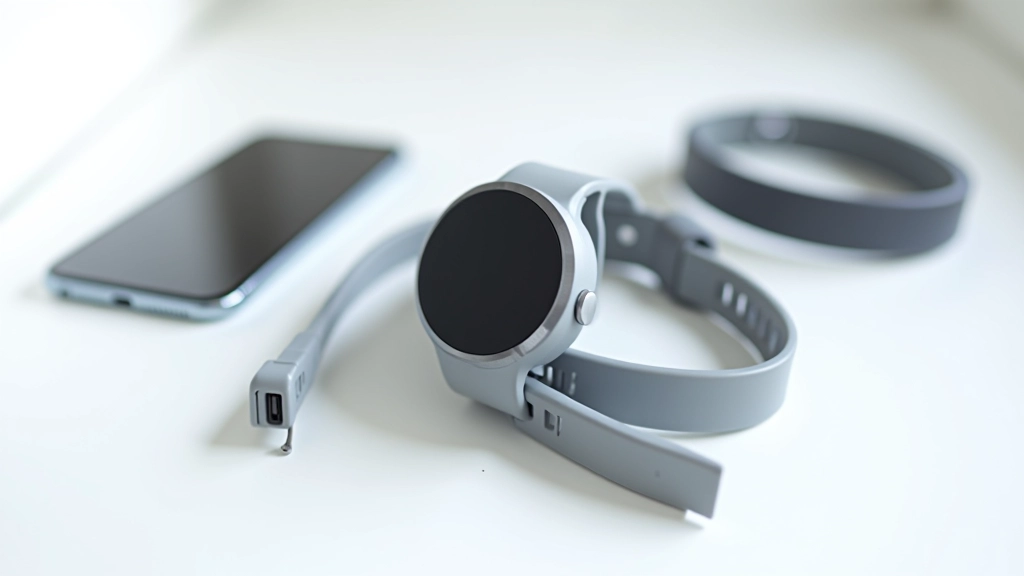
You need something to track your heart rate. A chest strap monitor is the most accurate — it picks up your heartbeat directly from your chest wall. Garmin, Polar, and Apple all make good ones. They’re reliable and they don’t need constant fidgeting.
Wrist-based monitors are convenient but less accurate, especially during harder efforts. If you’re just starting out and you want something simple, a watch with built-in heart rate sensor works. But know that it’s estimating your actual rate based on blood flow in your wrist. That’s good enough for zone 1 and 2 work. For zone 4 and 5 work, the chest strap is better.
Your smartphone can work too. Most running apps will display your heart rate if you’ve got a compatible monitor paired. The watch or phone screen is your feedback in real time. You’ll adjust your pace based on what you see.
Most accurate option. Direct heartbeat measurement. Preferred by serious runners.
Convenient, wrist-based sensor. Good for general training, less precise at high intensities.
Budget option if you’ve got a compatible monitor. Data syncs automatically.

You don’t need to overhaul everything tomorrow. Pick one zone-based workout to add to your week. Maybe it’s a long zone 2 run on Saturday. Do that for two weeks. Get comfortable with what zone 2 feels like. Then add a threshold session. Build from there. Your training will get smarter, and you’ll see real improvement because you’re not just running hard all the time — you’re training with intention. That’s when the fitness happens.
Disclaimer: This article is for educational purposes and general guidance only. Heart rate zone training is individual — what works for one person may not work exactly the same for another due to differences in fitness level, age, health status, and physiology. Always consult with a qualified fitness professional or your doctor before starting any new training program, especially if you have any underlying health conditions or are new to structured training. The calculations and percentages provided are general guidelines and should be adjusted based on your personal testing and professional advice.